
Ordering food and drinks

In this lesson, you will learn about popular Korean dishes and how to order food and drink. Please take a note that Korean food is normally shared with everyone at the table.
Vocabulary
What korean food have you tried?

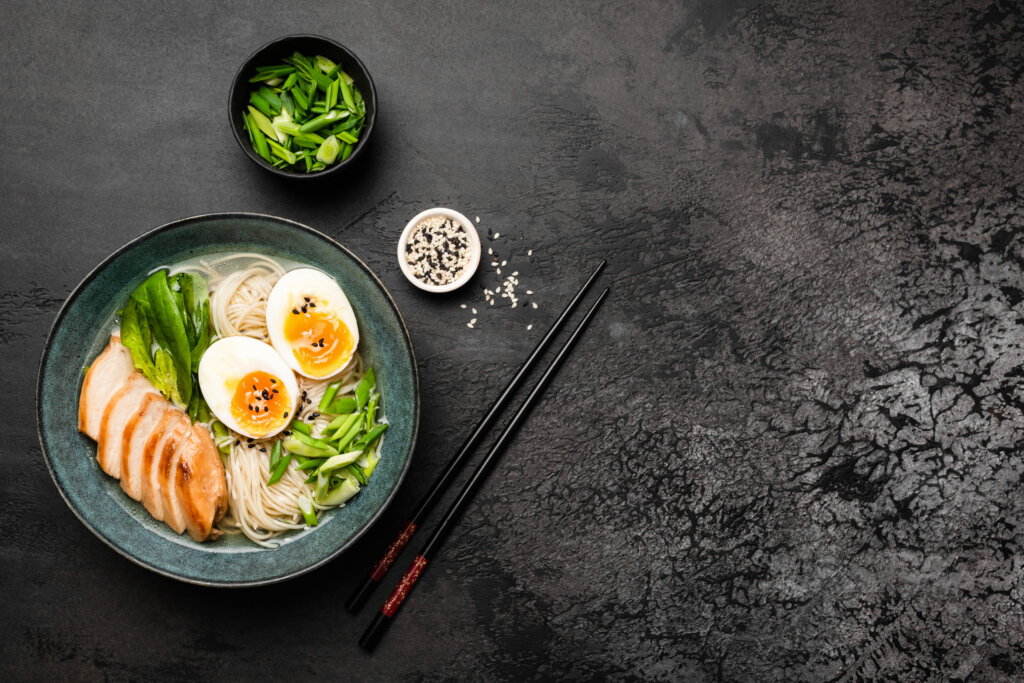
Ramen 
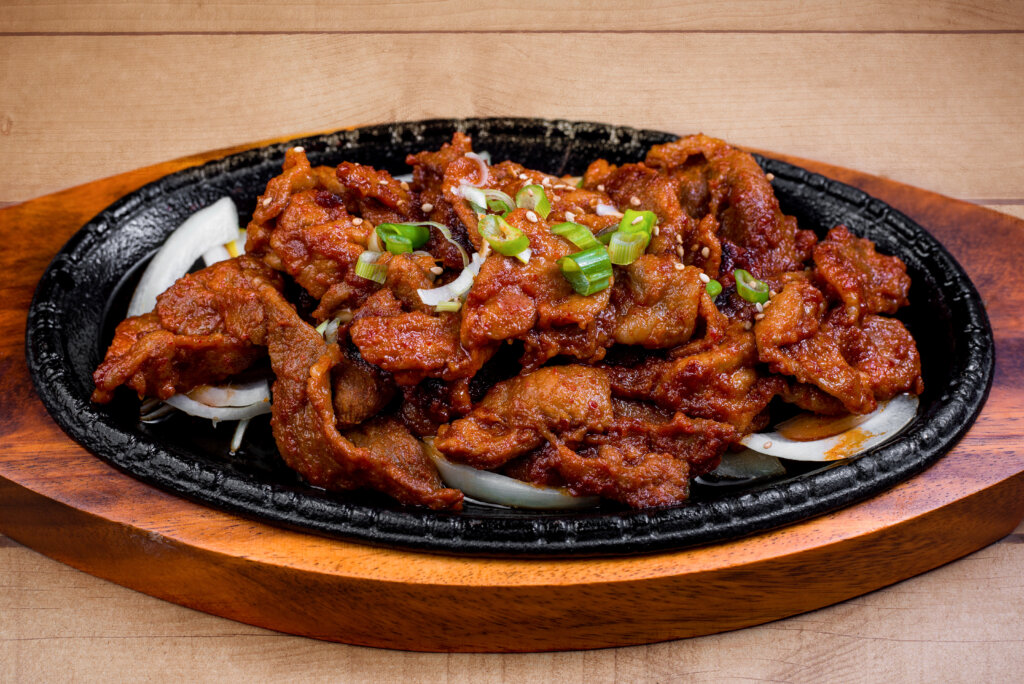
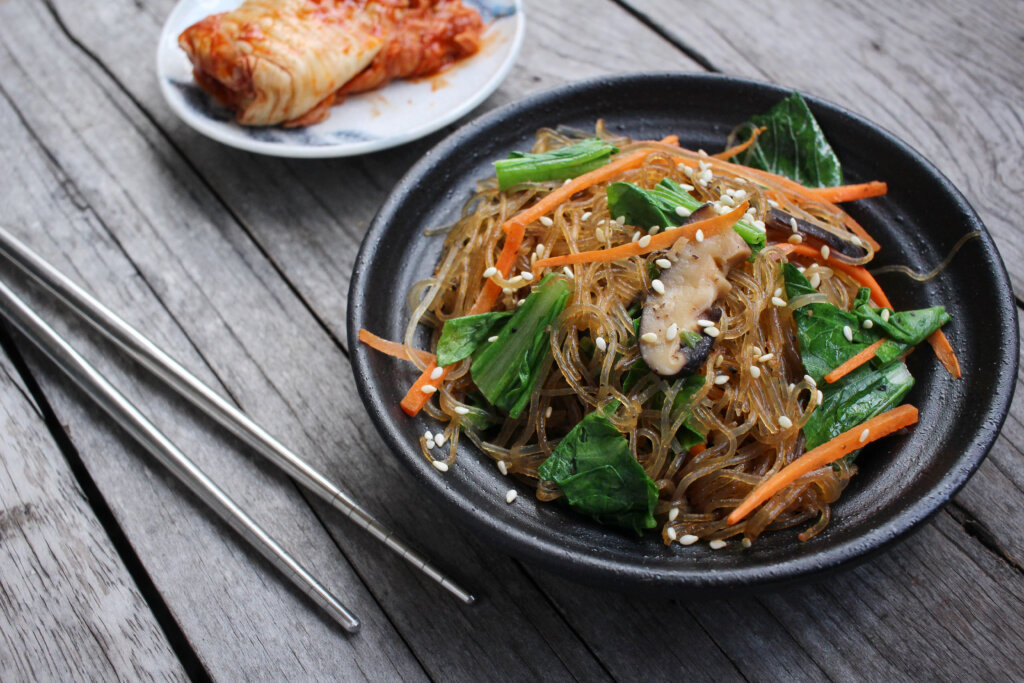
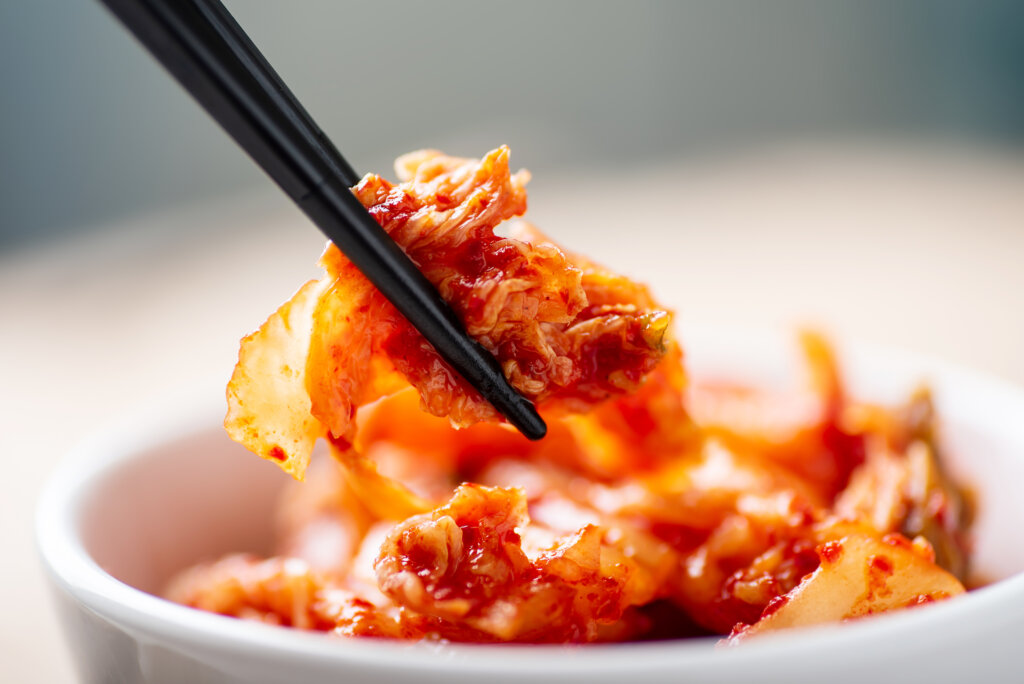
Bulgogi Japchae Kimchi
Grammar Points
In Korean, there are two series of cardinal numbers: those that derive from Chinese (Sino-Korean numbers), and a set of native Korean numbers. The Korean numbers stop at 99, while the Sino-Korean numbers continue beyond 100.
하나(한), 둘(두), 셋(세), 넷(네), 다섯, 여섯, 일곱, 여덟, 아홉, 열 1~10 (native number)
Native Korean numbers are used to express times and units. When you say time, native number is used for hours or o’clock. When it’s followed by a noun, only the number from 1~4 are used like in brackets
E.g. 다섯시예요. It’s 5 o’clock.
E.g. 두 시간 걸려요. It takes 2 hours.
일, 이, 삼, 사, 오, 육, 칠, 팔, 구, 십 1~10 (sino-Korean number)
The numbers are used to express such things as telephone numbers, bus route numbers, height, weight, address numbers, years, months, minutes, seconds, and prices.
E.g. 공일공-사오삼구-이삼이육. 010-4539-2326.
E.g. 칠번 버스를 타요. I take a bus 7.
** “0” is pronounced as either 공 or 영. When appearing in telephone numbers, 공 is used **
Sino number + 인분 (counting unit for serving food)
We have already learned the counting unit of 명/분 for people, but “인분” unit is for servings of food on shared food which is counted with Sino-Korean numbers
E.g. 김치찌개 일인분 주세요. One serving of Kimchi stew, please.
하고 and, with
This particle expresses the listing of various things or people. It is used regardless of whether a final consonant is present. As it has 2 meanings and the usages are different. As the meaning of “and”, it is between 2 nouns, and as the meaning of “with”, noun comes first and you add “하고”
E.g. 딸기하고 바나나를 좋아해요. I like strawberries and bananas.
E.g. 부모님하고 살아요. I live with my parents.
Listen to the conversation

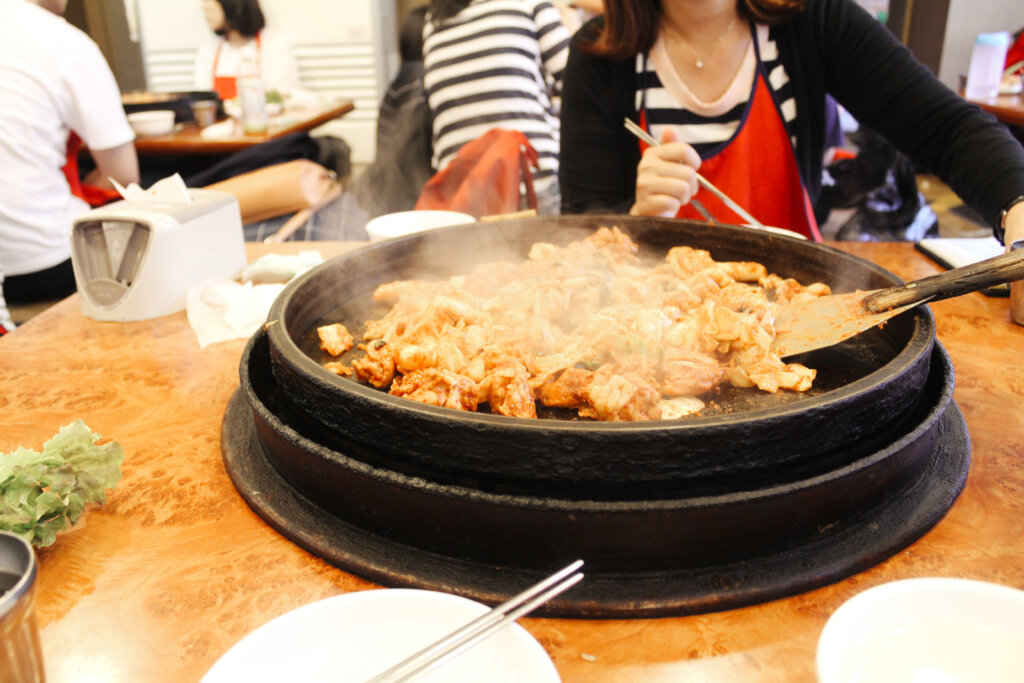
Let’s listen to a dialogue where two people are ordering food in a restaurant. The translation is provided below.
다니엘: 지윤씨, 같이 점심 먹으러 갈래요?
Daniel: Miss Jiyoon, would you like to go for lunch?
지윤: 네, 좋아요.
Jiyoon: Yes, that’d be great!
다니엘: 닭갈비 어때요? 지윤 씨는 매운 음식 잘 먹죠?
Daniel: How about Dakgalbi? You eat spicy food well, right?
지윤: 그럼요. 저는 매운 음식을 좋아해요.
Jiyoon: Of course. I like spicy food.
-식당에서-
– At a restaurant –
다니엘: 그럼 닭갈비 2인분 시킬까요?
Daniel: Then do we order Dakgalbi for 2 people?
지윤: 네. 그리고 국수도 같이 시켜요.
Jiyoon: Yes. And we also order Gooksoo.
다니엘: 여기요! 닭갈비 2인분하고 국수 주세요.
Daniel: Excuse me! 2 Dakgalbi and Gooksoo, please.
종업원: 네, 알겠습니다. 그리고 음료는 무료입니다.
Waiter: Yes, I got it. And the drink is free.
지윤: 그래요? 뭐가 있어요?
Jiyoon: Really? What do you have?
종업원: 콜라하고 주스가 있습니다.
Waiter: We’ll have Coke and juice.
Useful expressions

We can learn some essential expressions for ordering food and drinks at a restaurant. Let’s listen to the recording:
- 메뉴판 좀 주세요. Can I see the menu, please?
- 영어 메뉴판도 있어요? Do you have an English-language menu?
- 주문할께요. We’ll take an order.
- 여기 뭐가 맛있어요? What’s your speciality?
- 이걸로 주세요. I’d like this.
- 안 매운 음식은 뭐가 있어요? Which foods aren’t spicy?
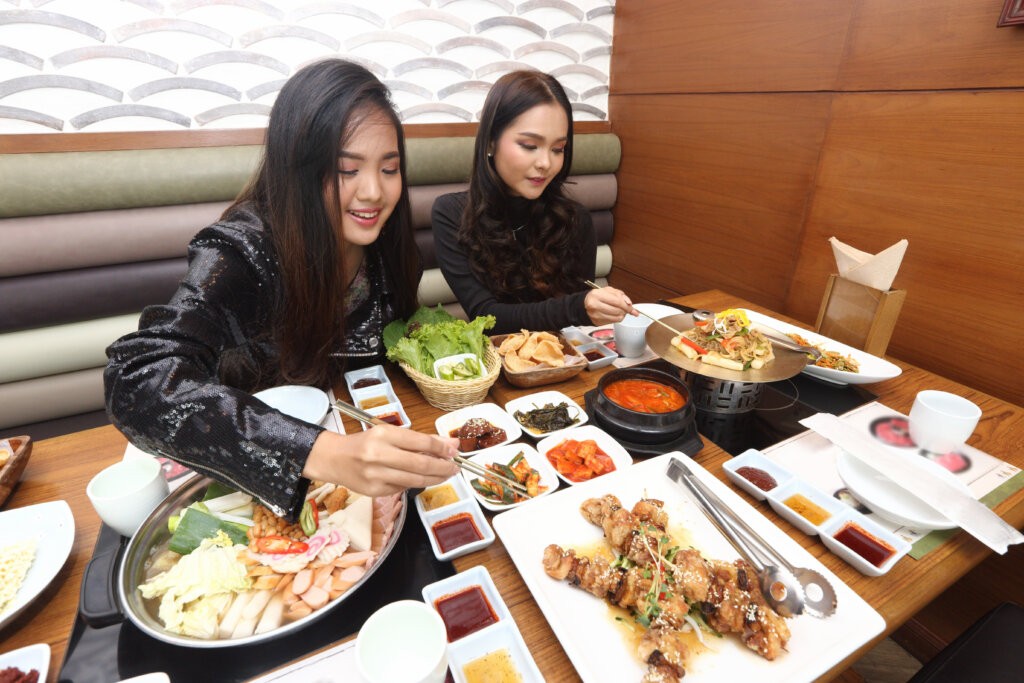
Now you can watch a short clip where Sanghwa is showing how to order a latte in Korean. Pause the video and write down the expressions. If you have any questions, contact the teacher on Kakaotalk.
